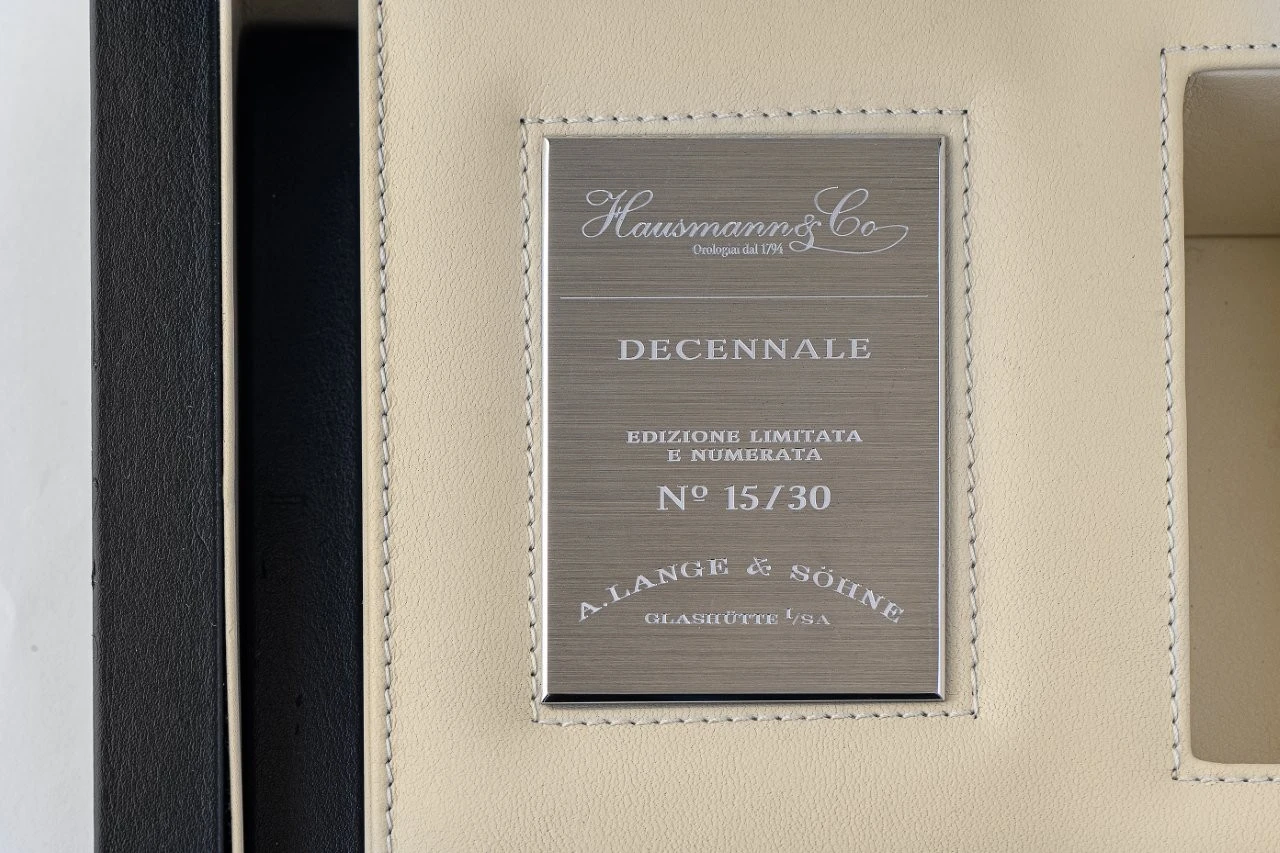
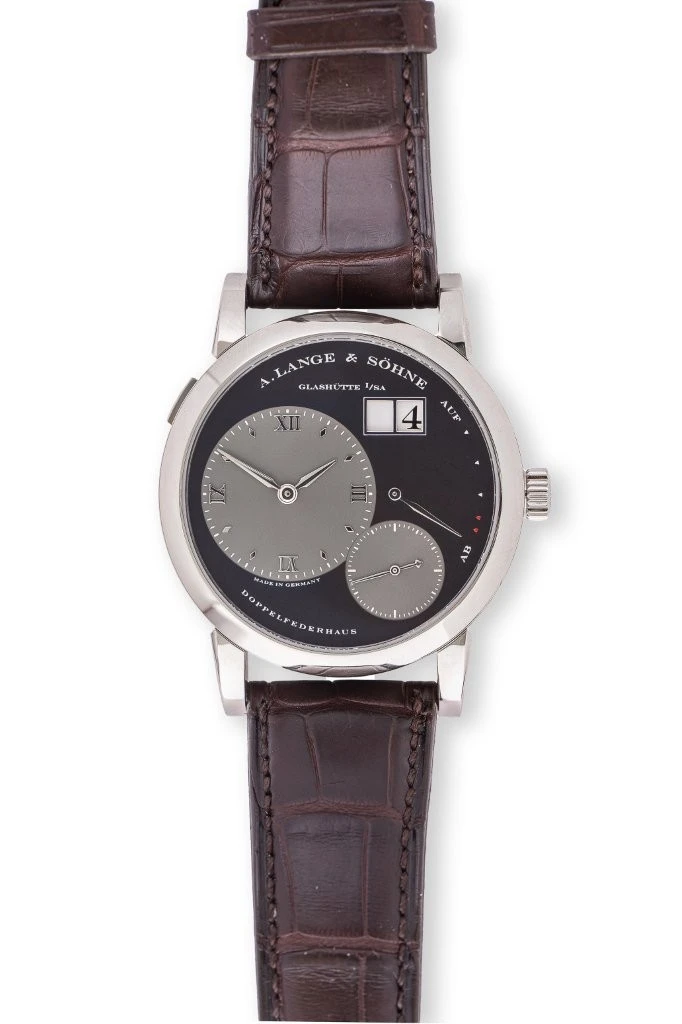
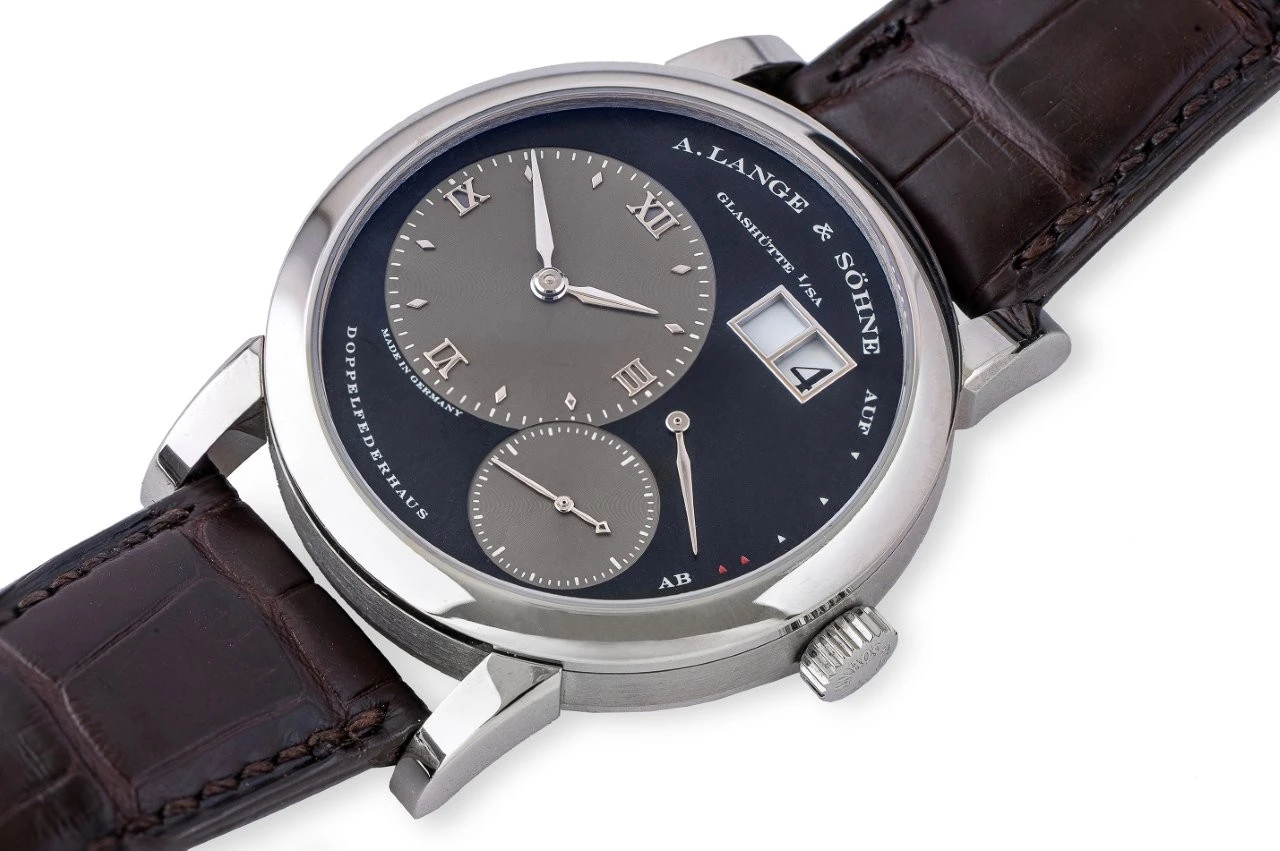
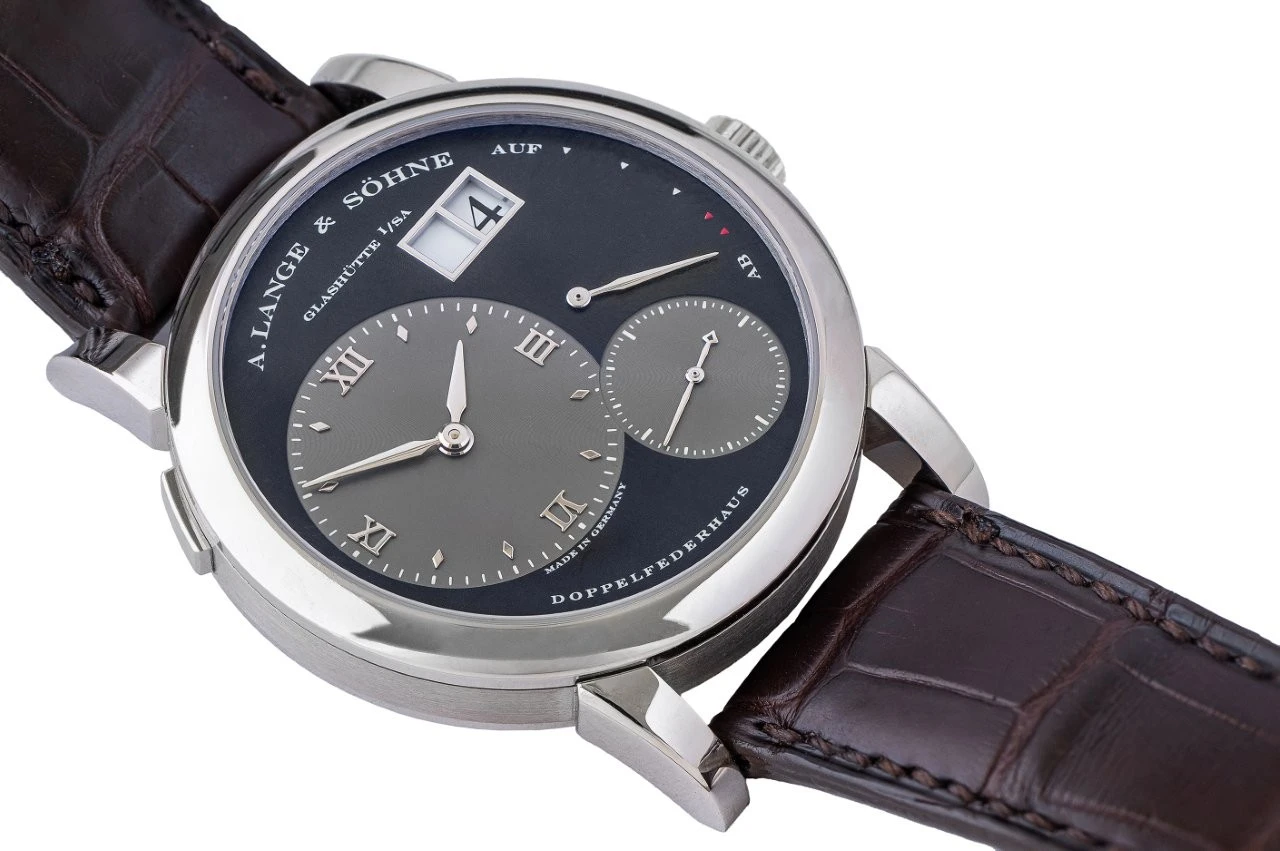
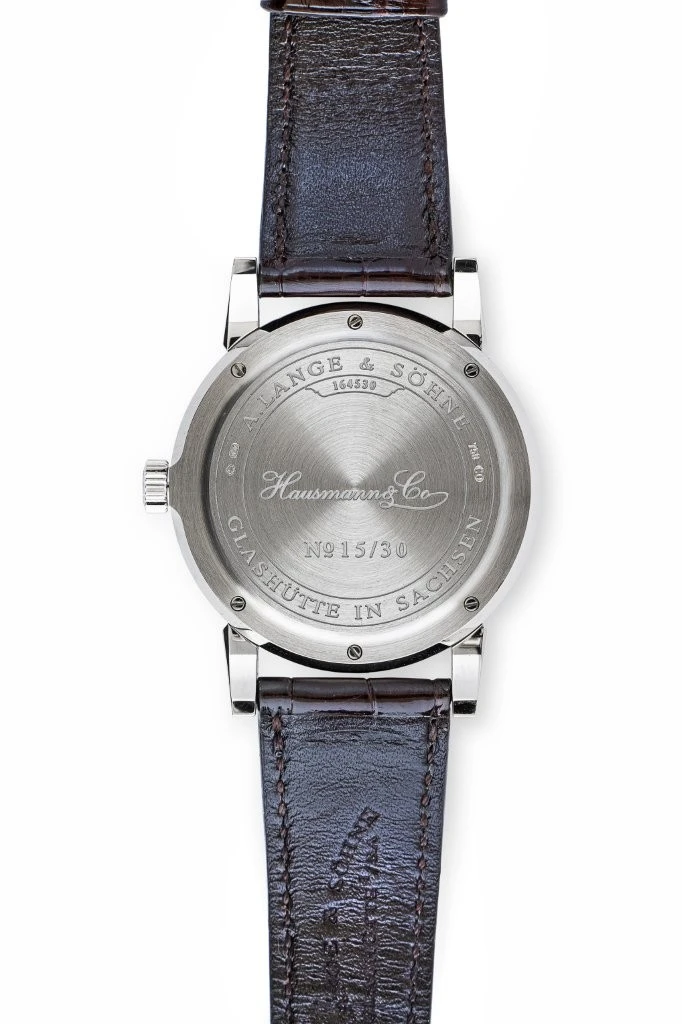
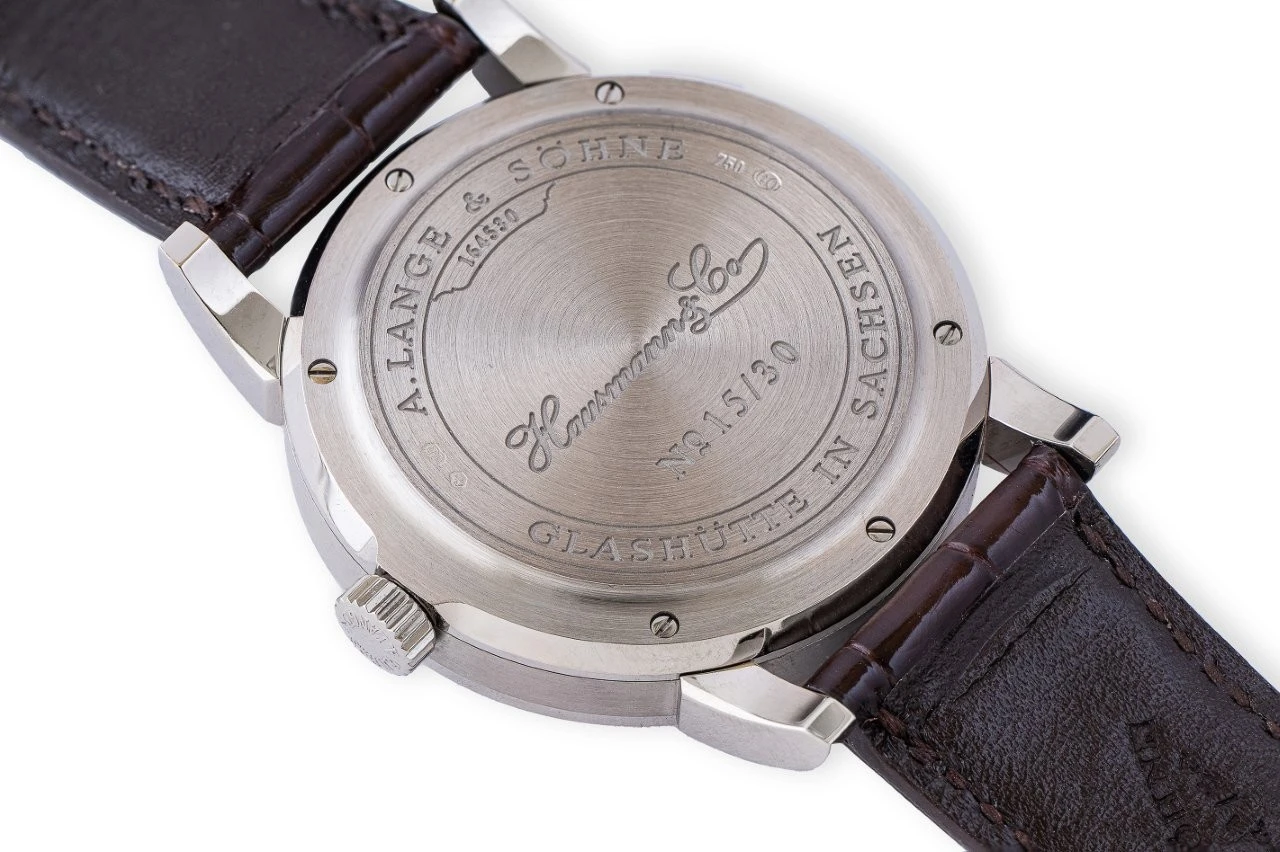
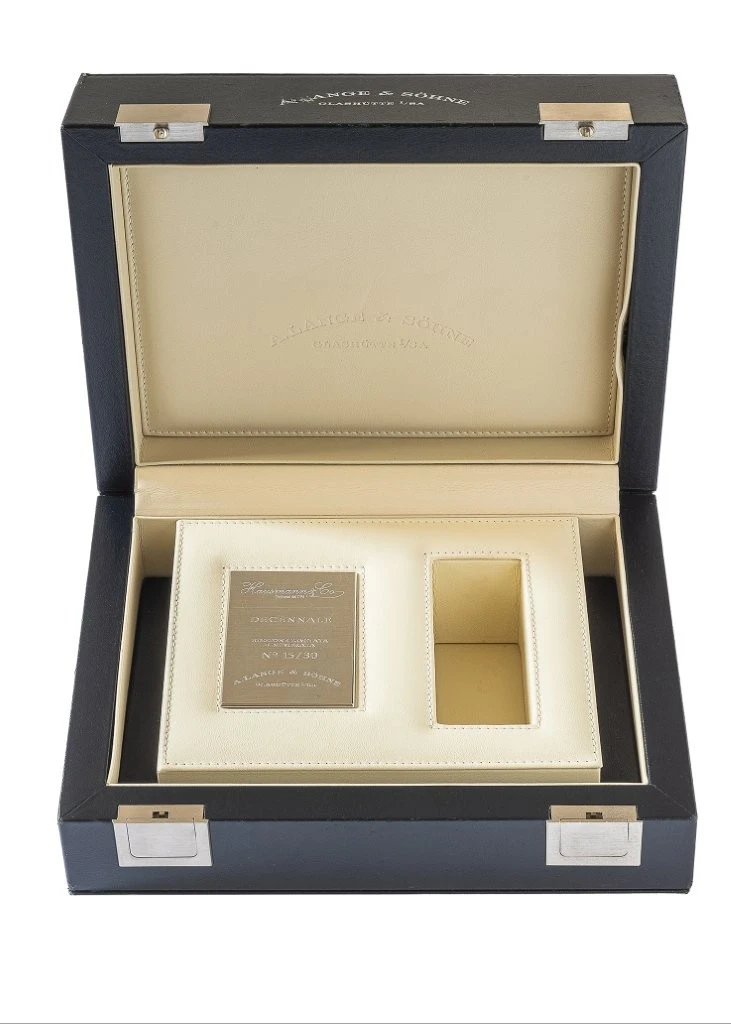
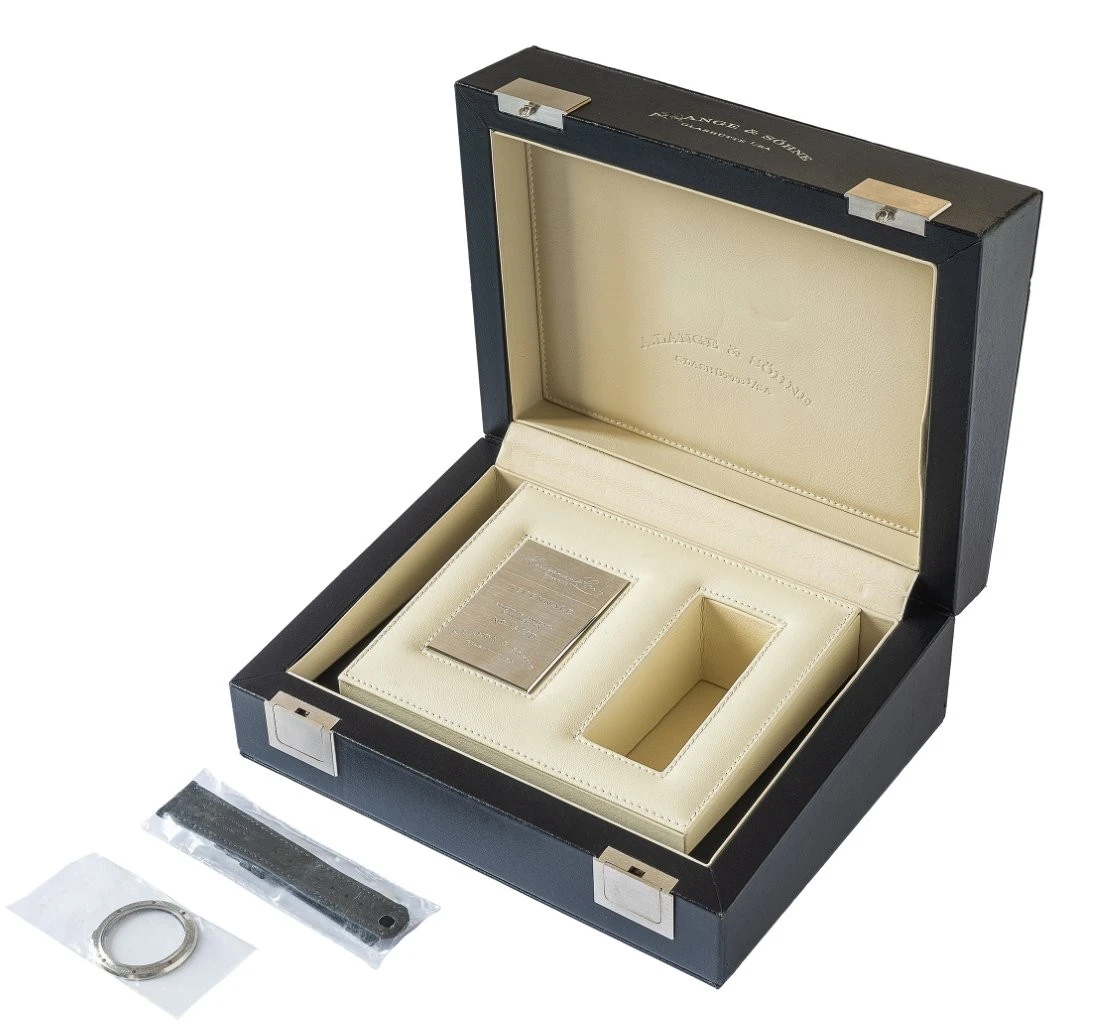
There are watches that simply mark the passage of time, and others that tell a story. The Special Edition created by A. Lange & Söhne to celebrate ten years of collaboration with Hausmann & Co. undoubtedly belongs to the latter category: a timepiece that brings together a tribute to tradition, excellence, and rebirth.
A Celebration of Shared Values
This special edition from 2005, created to celebrate the long history of Hausmann & Co., is not only a homage to the past, but also a manifesto of shared values: craftsmanship, precision, elegance, and memory. A watch that represents two parallel stories – that of a German brand reborn from its ashes and that of one of the oldest Italian maisons – united in a unique and unrepeatable piece.
A Return to the Origins
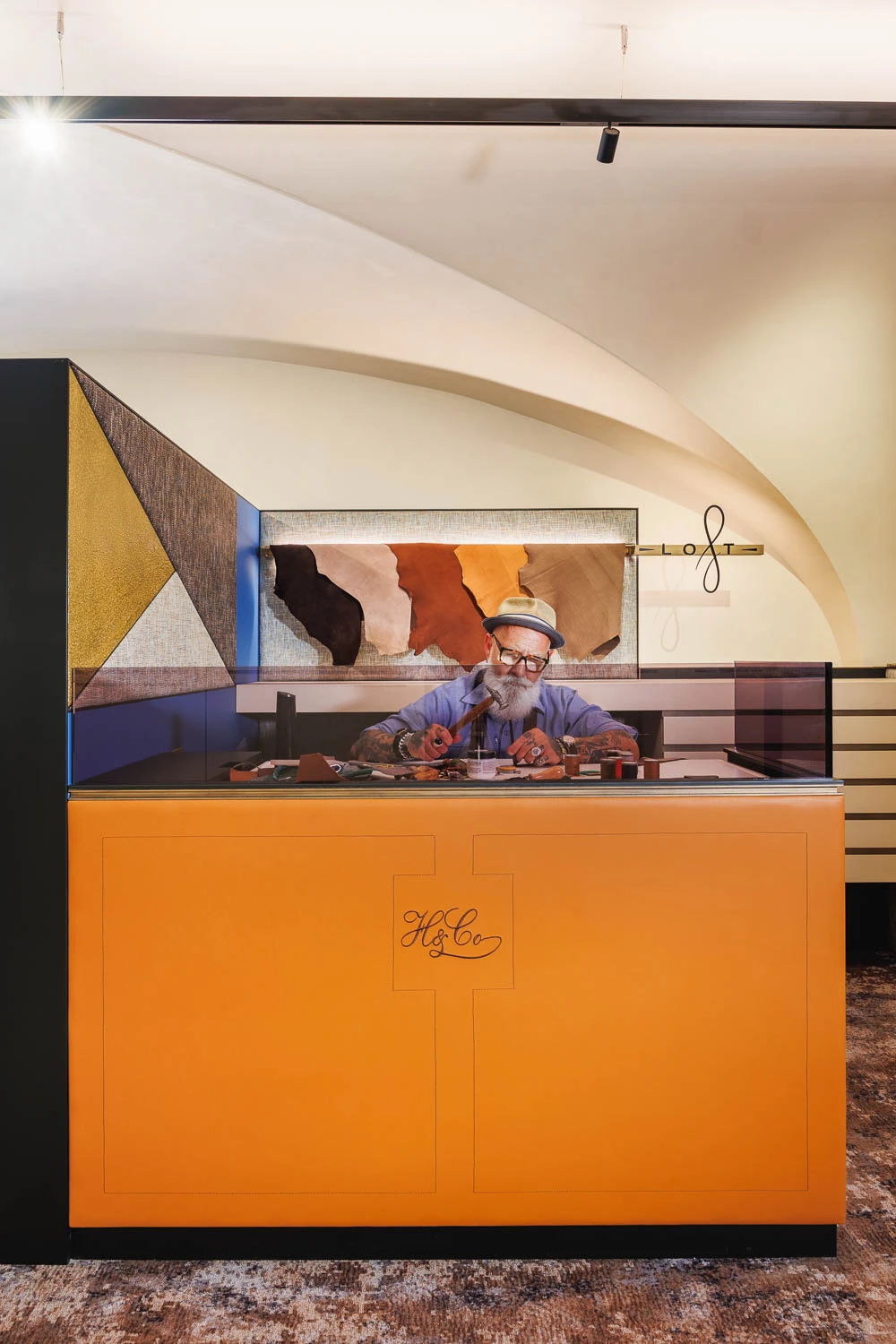
During the presentation of Lange & Söhne at the Via del Corso boutique in Rome, one of Hausmann’s long-standing salesmen – a man nearly 70 years old with decades of experience behind him – shared an anecdote that perfectly captures the essence of the brand. At the mere mention of “Lange,” he fondly recalled the wonderful pocket watches that the Maison produced and that were already being sold in the 1920s, before the great historical rupture represented by the Second World War. Between the 1920s and 1940s, these watches were already available at Hausmann & Co., in the historic shop at Via del Corso 406: tangible evidence of a deep commercial and cultural bond rooted in time.
From East Germany to Dresden: the Rebirth of the Brand
After the conflict, Lange’s production underwent a sharp downsizing and was absorbed into a more uniform and less refined industrial context: that of East Germany. During those years, product quality declined drastically. But the true soul of Lange was destined to return.
The brand’s rebirth began precisely in Dresden, a city that symbolizes Saxon watchmaking and is proudly claimed by the maison. It is no coincidence that, although the manufacture is physically located in the town of Glashütte (comparable in distance to a suburb just outside Rome), Lange prefers to present itself as the “Dresden manufacture”: a symbolic but strongly identity-driven choice. It is also a way to distinguish itself from other local brands, such as Glashütte Original, which share the same territory but not the same heritage.
The Dresden Theatre and the Inspiration Behind the Double Window Date
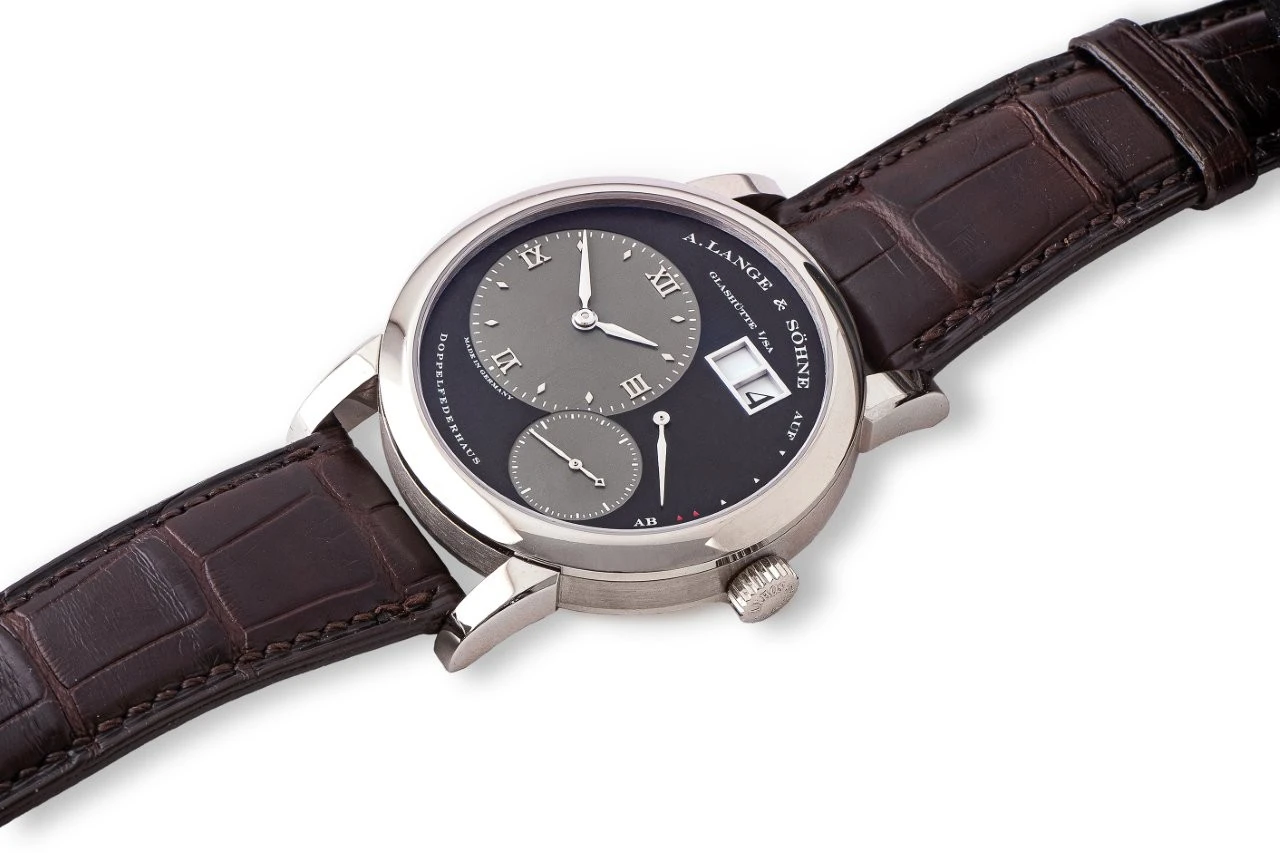
One fascinating detail concerns one of Lange’s most recognizable stylistic signatures: the double window date. This is not merely an aesthetic element, but one deeply rooted in the city’s culture and architecture. Inside the Dresden theatre, in fact, there is a clock with the same visual structure: two windows, one for the hours and one for the minutes, which inspired the mechanical complication made famous by Lange. It is a direct link between art, watchmaking, and territory.